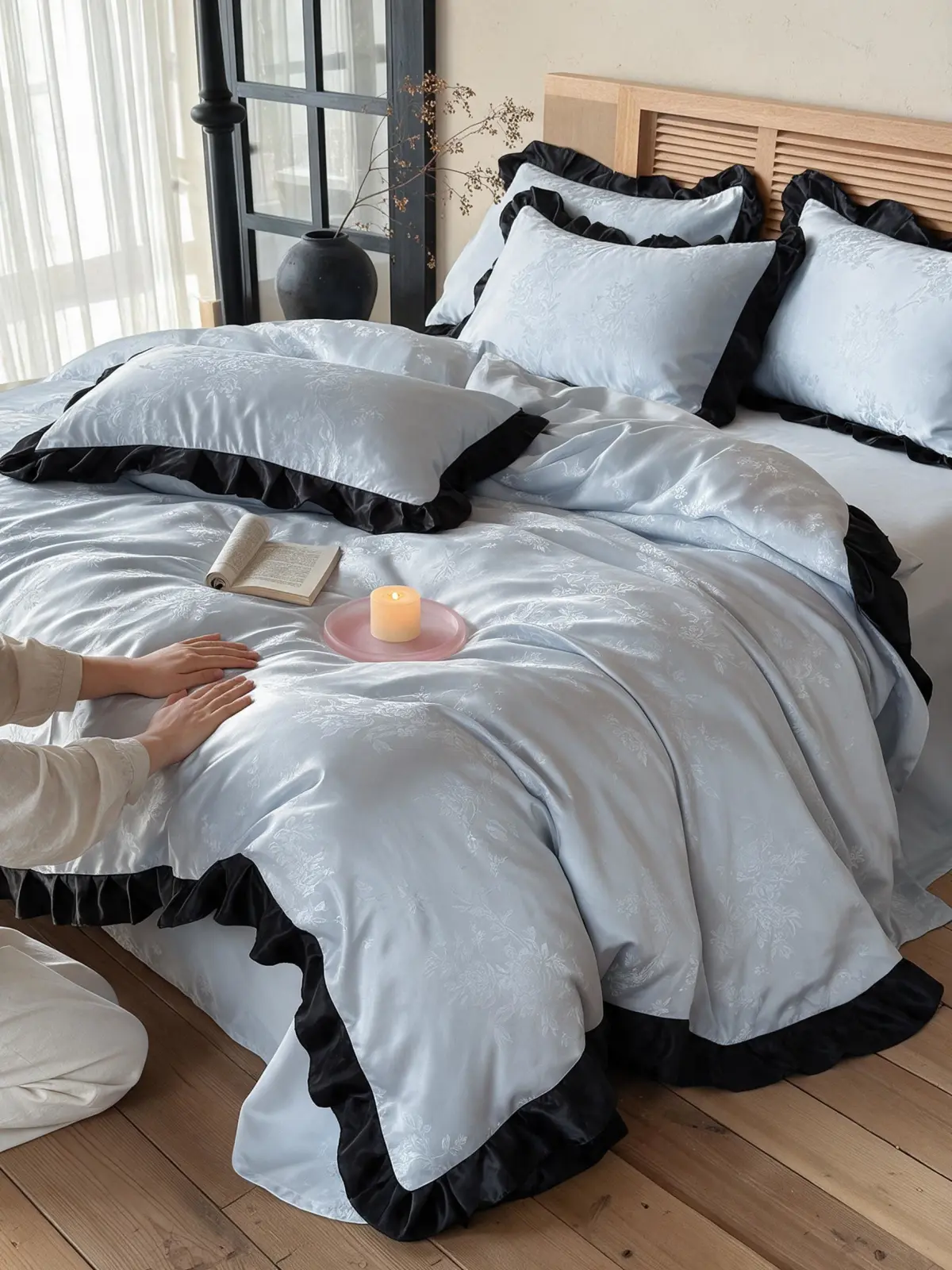
What a Duvet Cover Actually Is
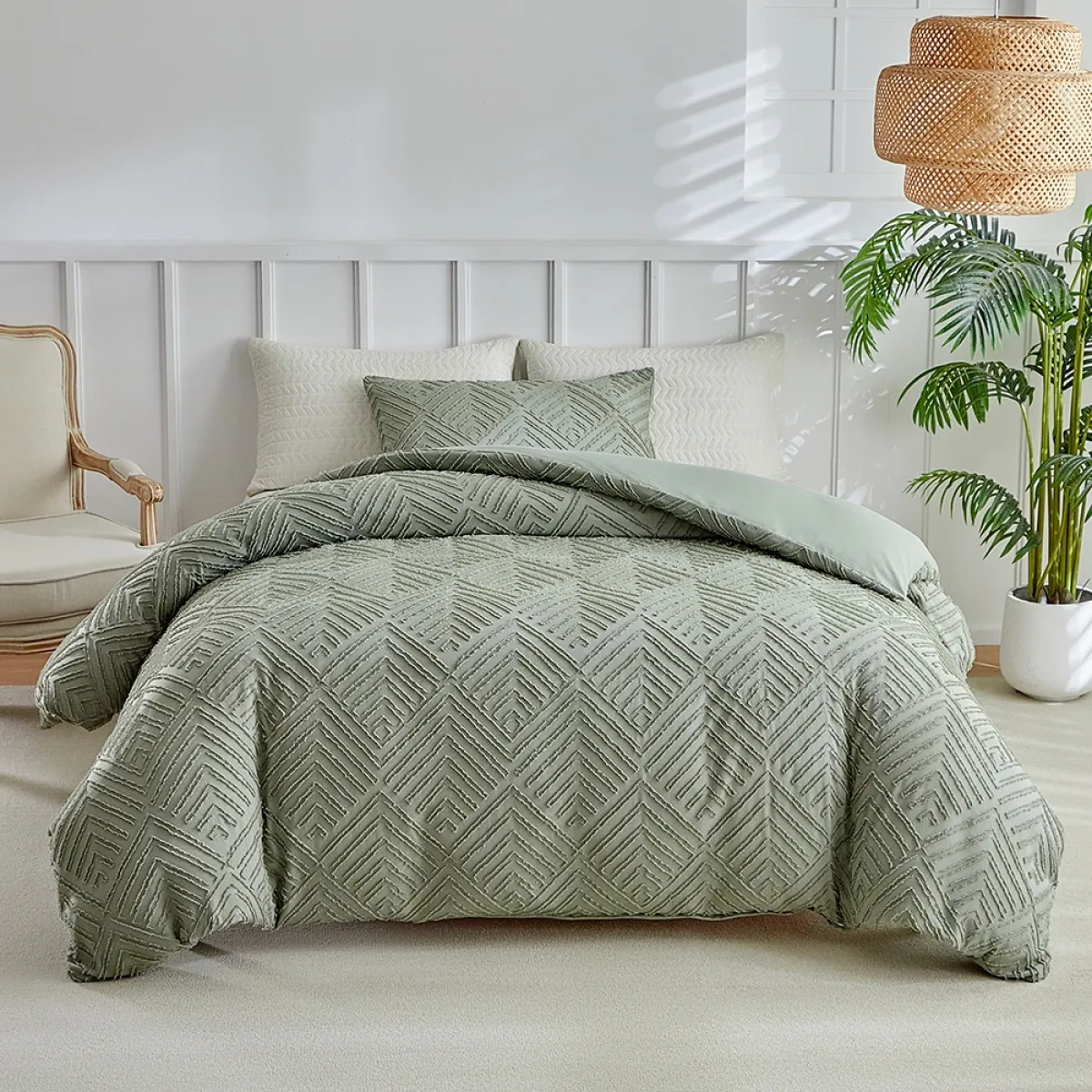
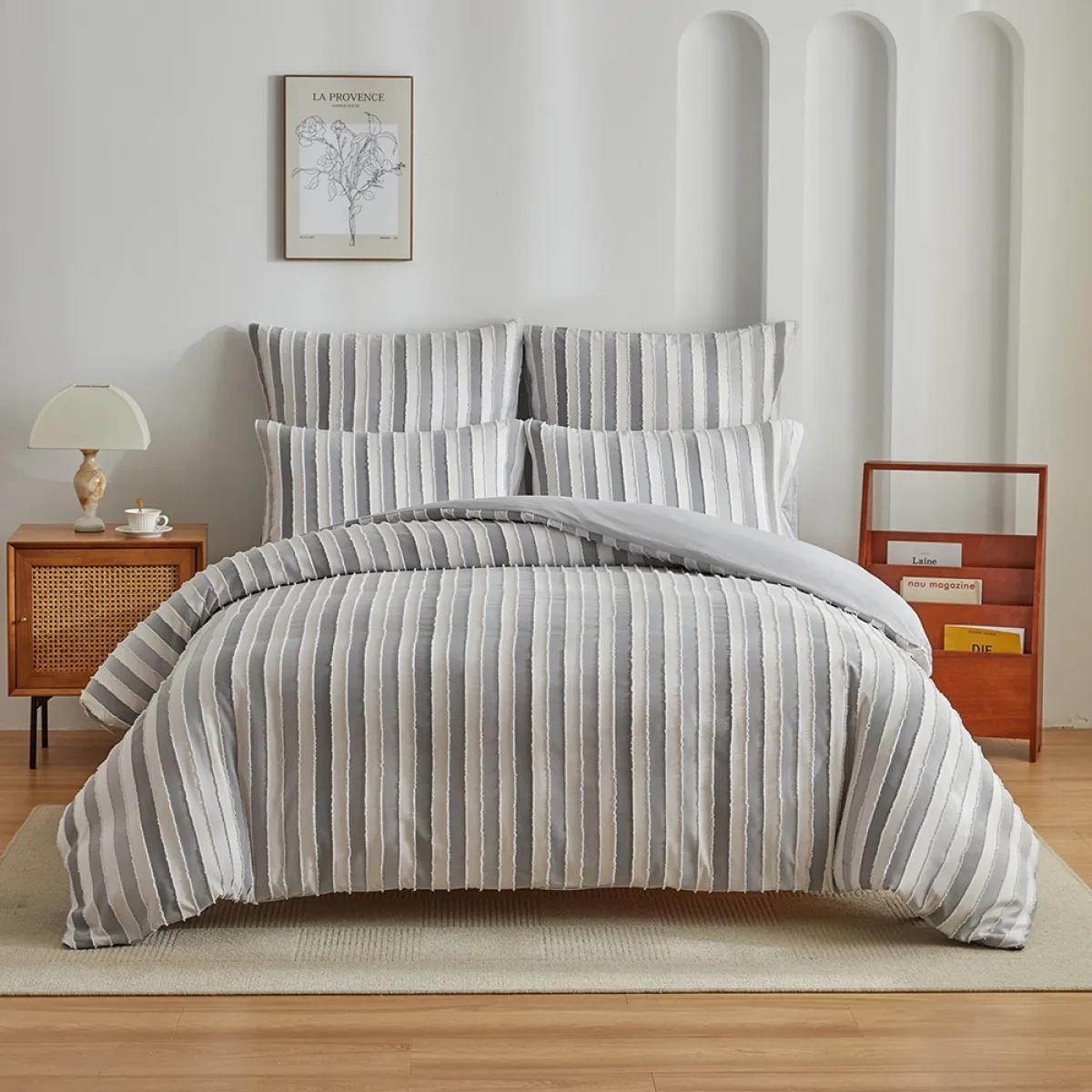
A duvet cover is a removable fabric shell that holds a separate insert. The cover is what you see and what you wash; the insert provides the warmth. That separation is the whole point — you can change the look of a bed by swapping a cover rather than replacing the fill.
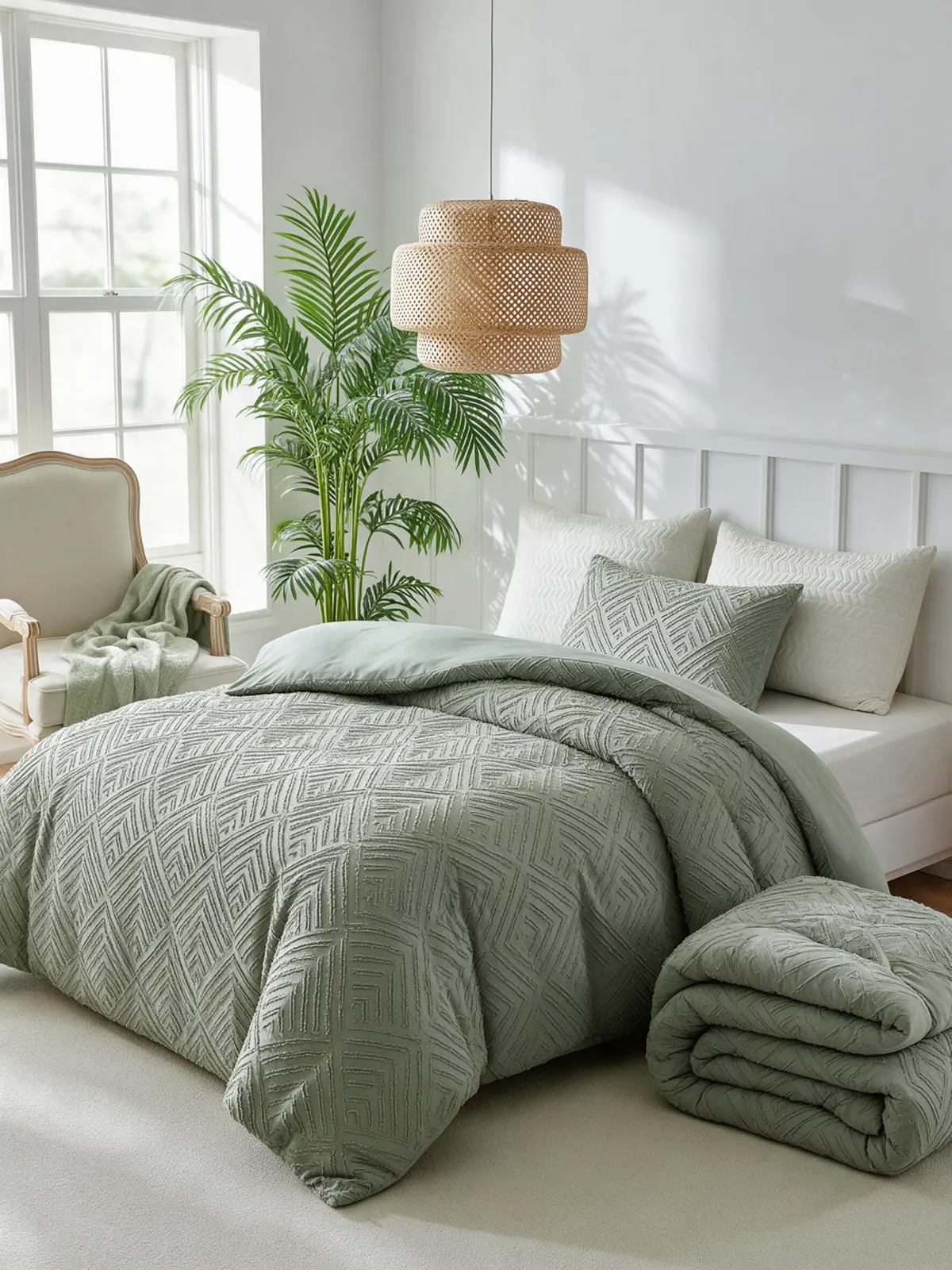
What a Comforter Actually Is
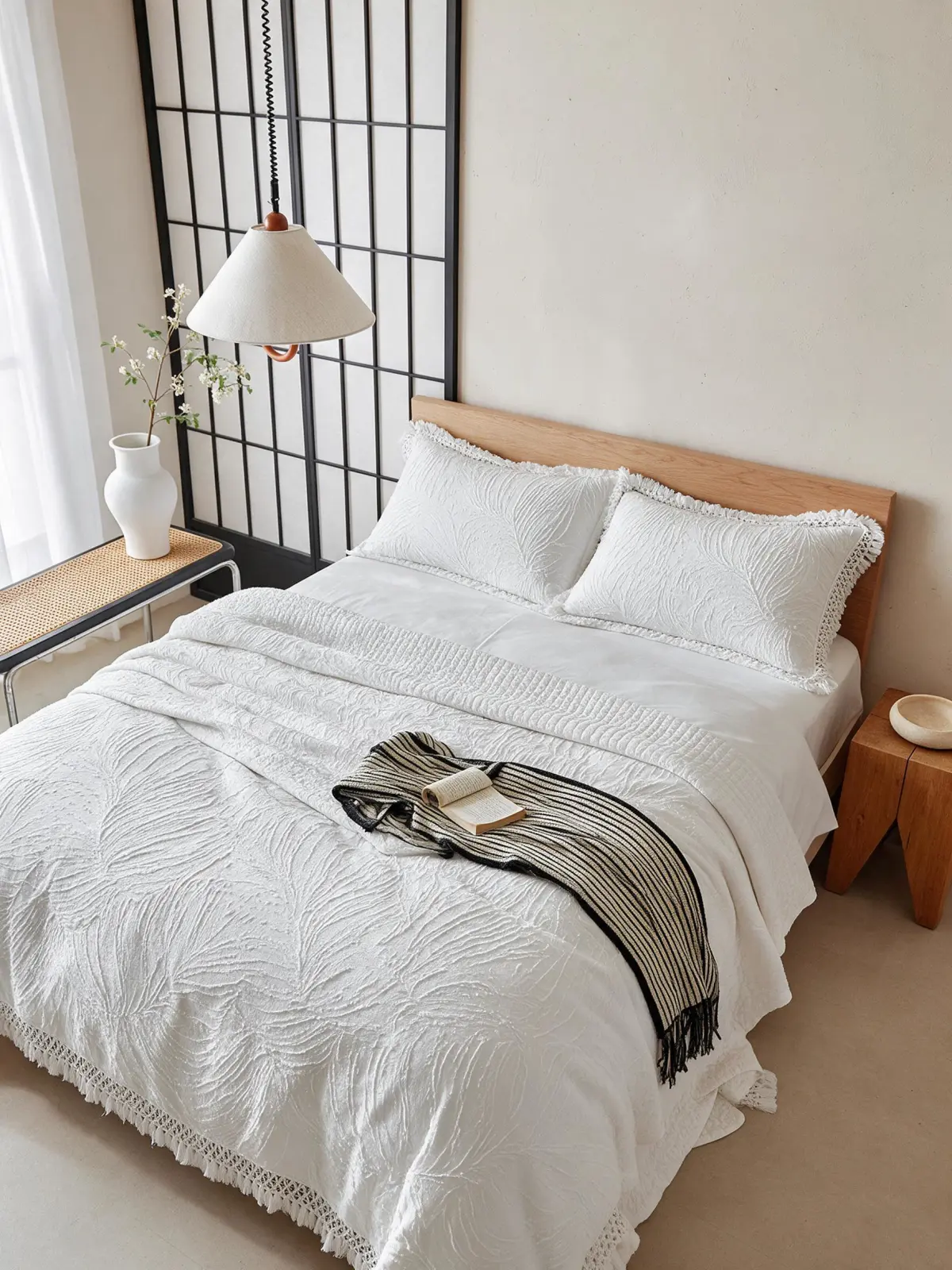
A comforter arrives finished: fill and outer fabric stitched together as one piece. It goes straight onto the bed, and the whole thing goes into the wash when it needs freshening. There is no assembly step and no insert to buy separately.
Care and Laundry
- Duvet cover: wash the cover alone, as often as your sheets. The insert needs occasional airing rather than frequent washing.
- Comforter: check the size against your machine. Larger comforters often need a laundromat drum or a professional clean, which is the real trade-off of the all-in-one build.
Warmth and Weight
Because the fill is separate, a duvet cover setup lets you fine-tune warmth. Keep a light insert for warm months and a heavier one for winter, with the same cover on top. A comforter fixes warmth at the moment of purchase, though all-season fills are designed to cover both ends of the year.
Which Should You Choose?
- Choose a duvet cover set if you like changing a room’s look often, or if you want the lightest possible care routine.
- Choose a comforter if you want one purchase, one bed, no assembly — and you have a washer that can handle the bulk.
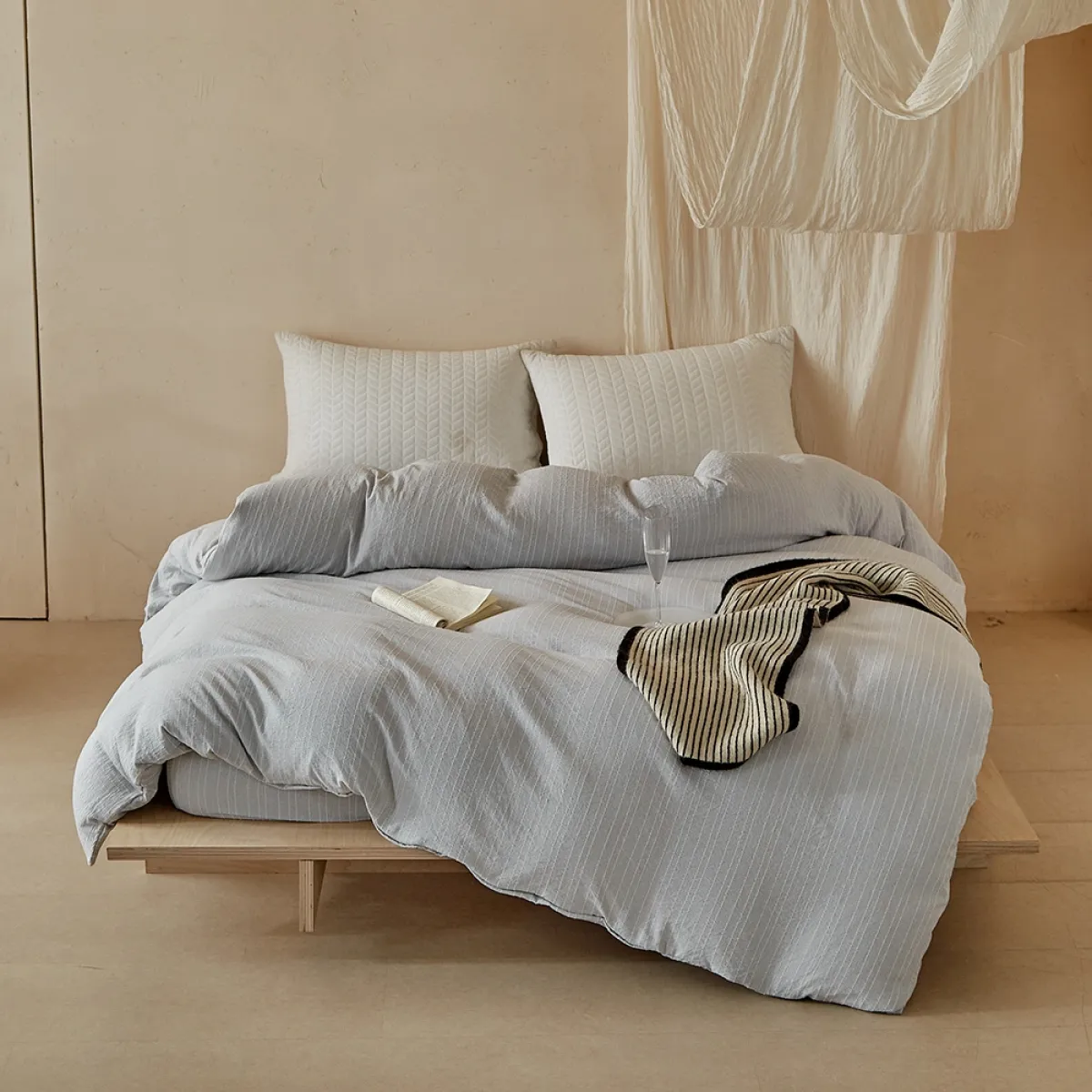
- Choose a washed cotton duvet cover if you prefer a softer, less crisp hand from day one.
Can You Use Both?
Yes, and many beds do. A light comforter under a duvet cover adds warmth in winter without changing the look. Fold the extra layer down at the foot of the bed so it stays a design choice rather than an accident.
The right answer is not the warmer one or the cheaper one. It is the one whose care routine you will actually keep up with.