Fewer Pieces, Chosen Better
A small living room rarely suffers from having too little furniture. It suffers from having too many pieces that are each slightly too big. The fix is not to go minimalist and empty — it is to choose fewer things and give each one a clear job.
Keep the Floor Visible
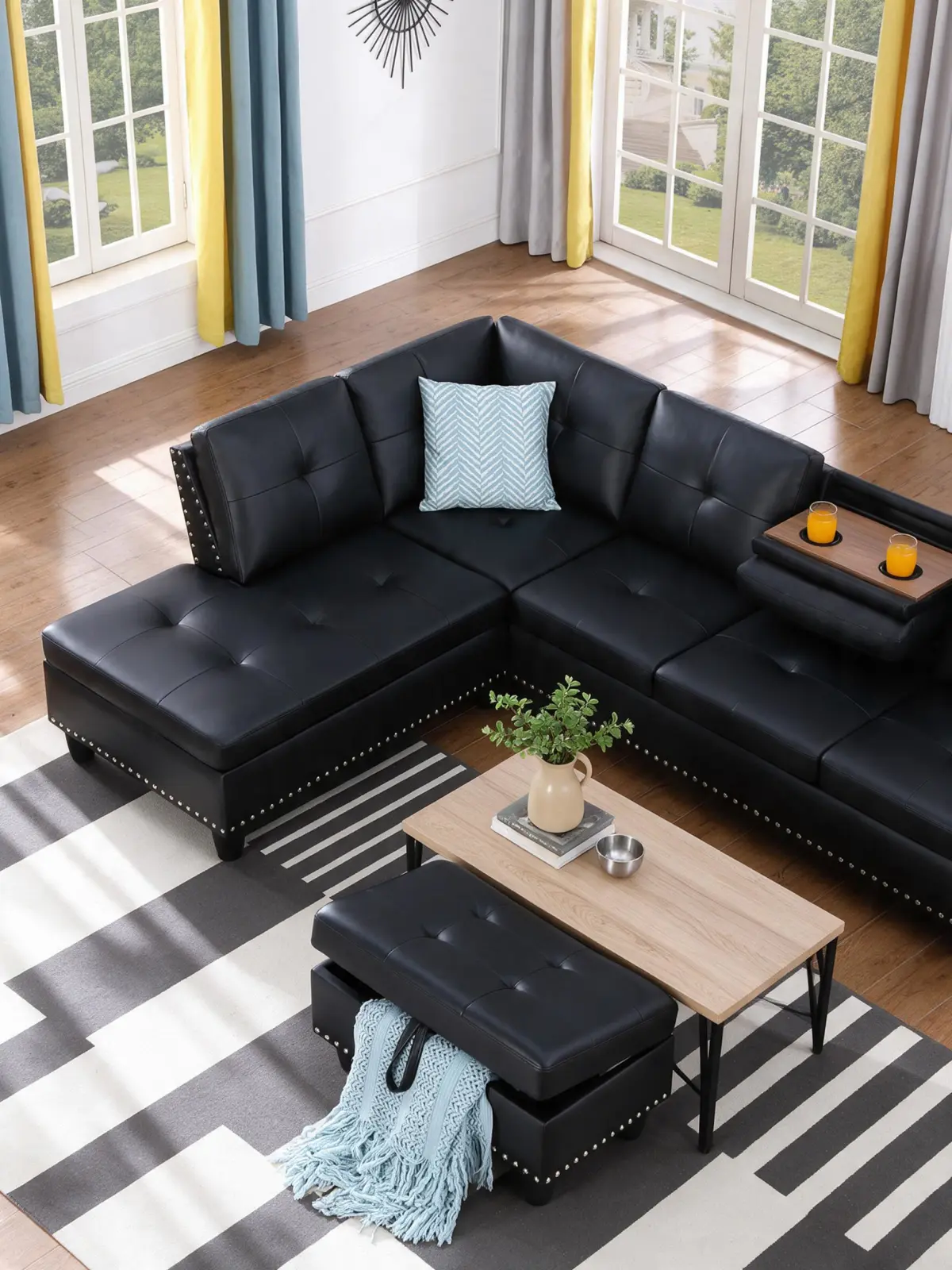
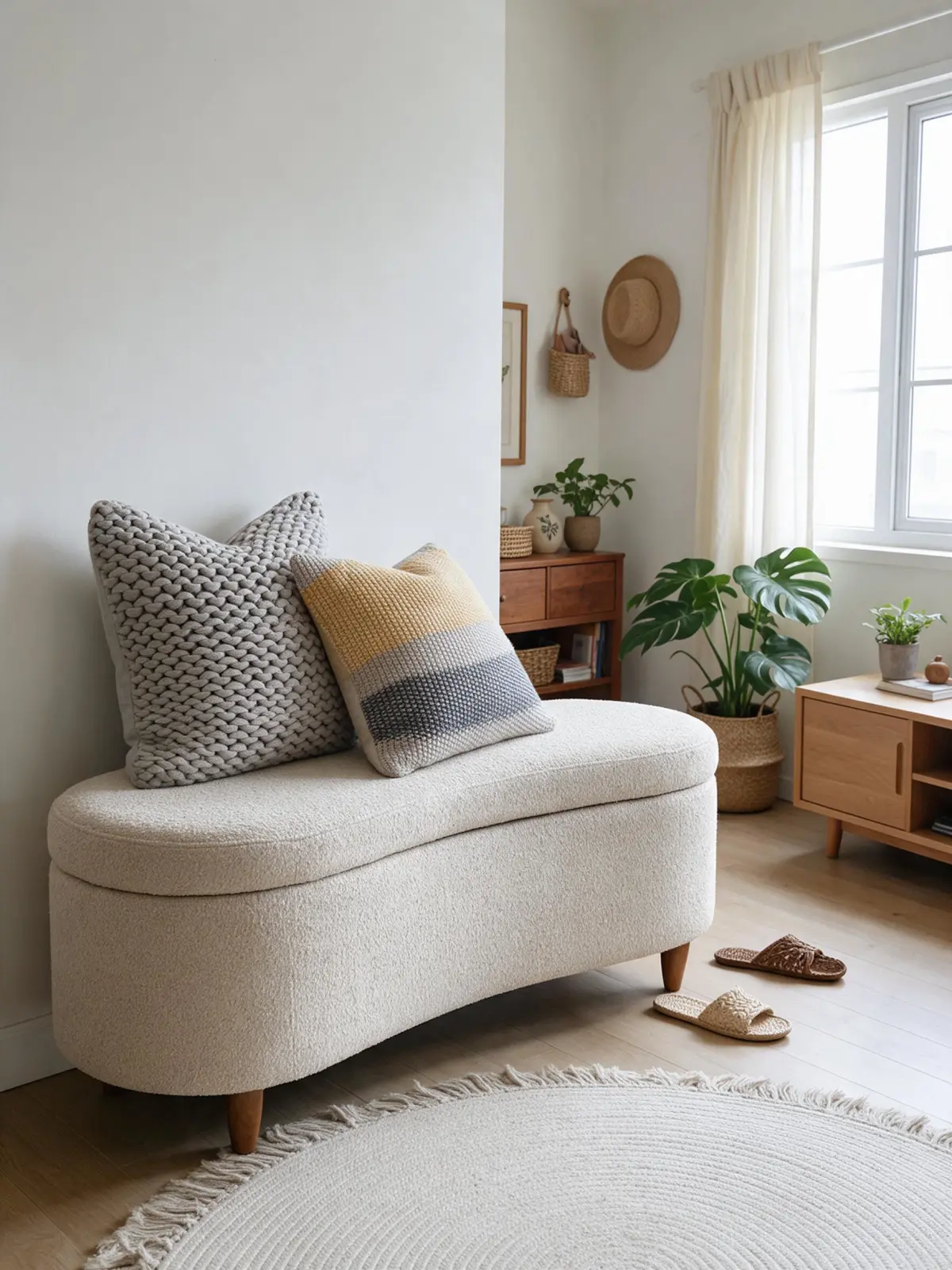
Furniture on legs makes a room feel larger, because you can see the floor continue underneath. Where you need bulk, choose a low profile rather than a tall one. A low sofa with a visible base reads lighter than a boxy one with a solid panel to the ground.
Use a Coffee Table That Changes Shape
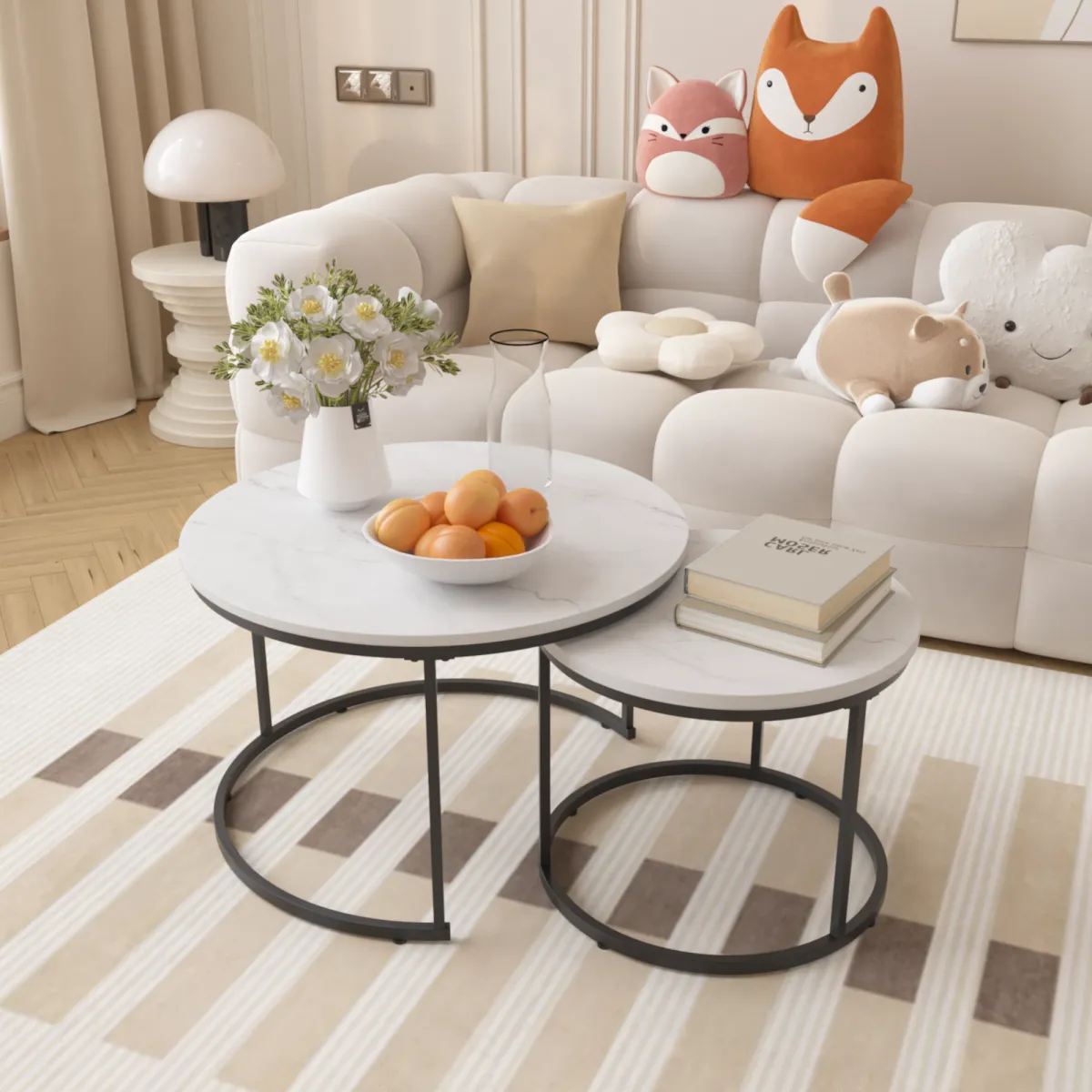
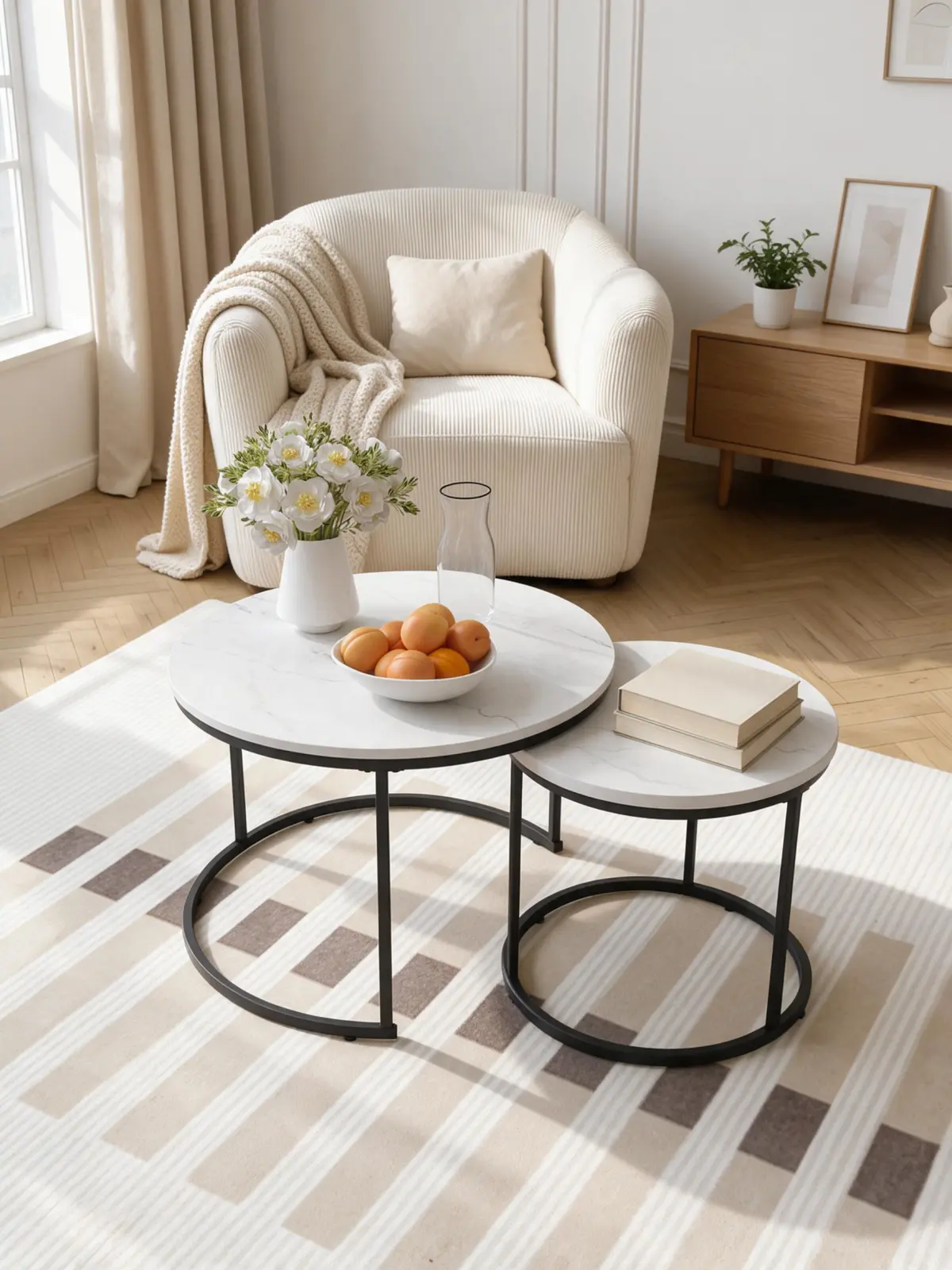
Nesting tables solve a specific small-room problem: you need a surface most of the time, but you need walking space the rest of the time. Push them together when the room is in use and separate them only when you actually have guests. A round shape is also easier to walk past than a rectangle in a tight room.
One Armchair, Placed Deliberately
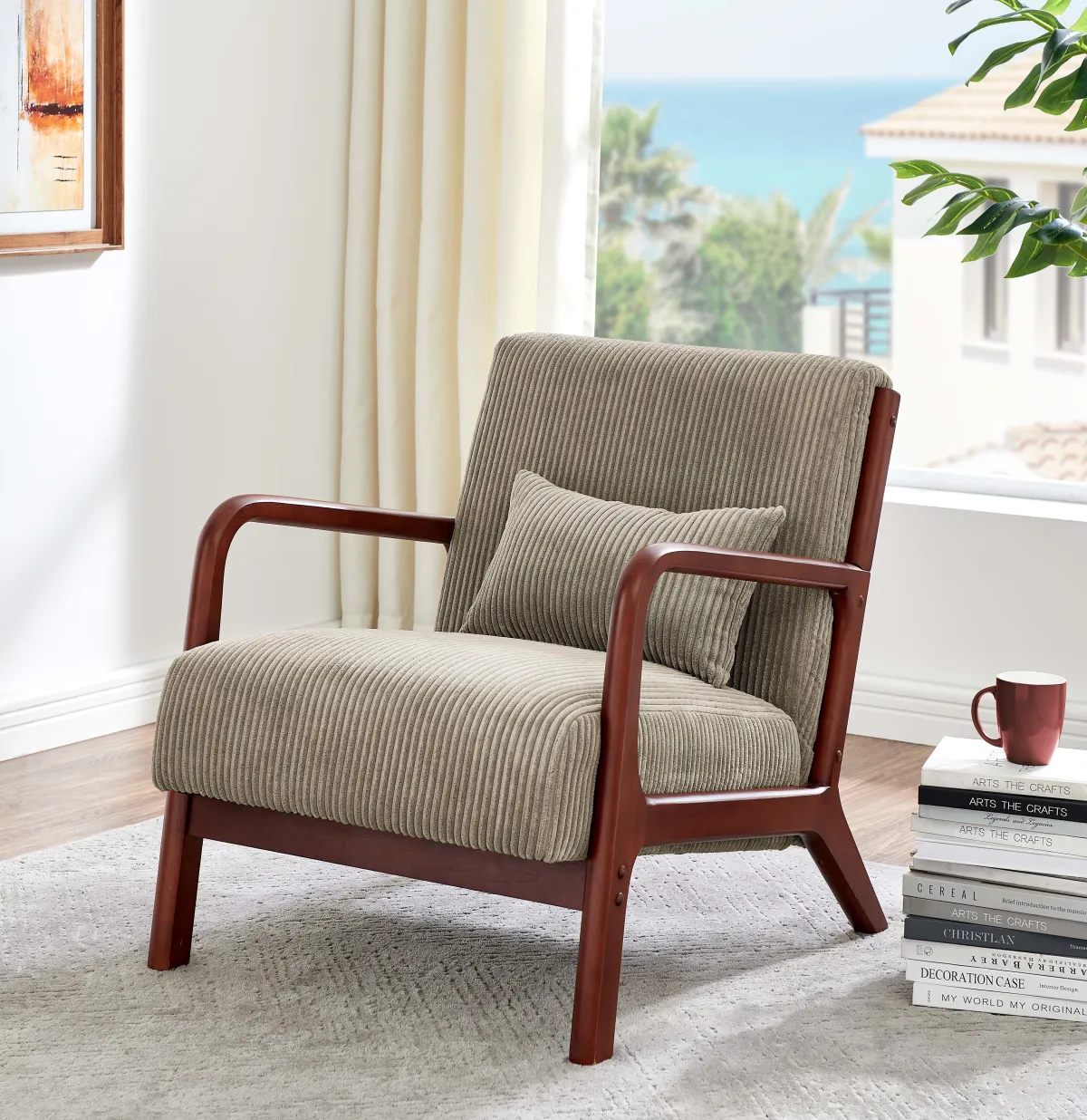
- Angle the chair toward the sofa, not parallel to it — angles make a conversation area, straight lines make a waiting room.
- Leave a walkway behind or beside it rather than filling the corner.
- Choose a chair with a slim frame so the seat does not visually block the window.
Media Units: Lower and Wider
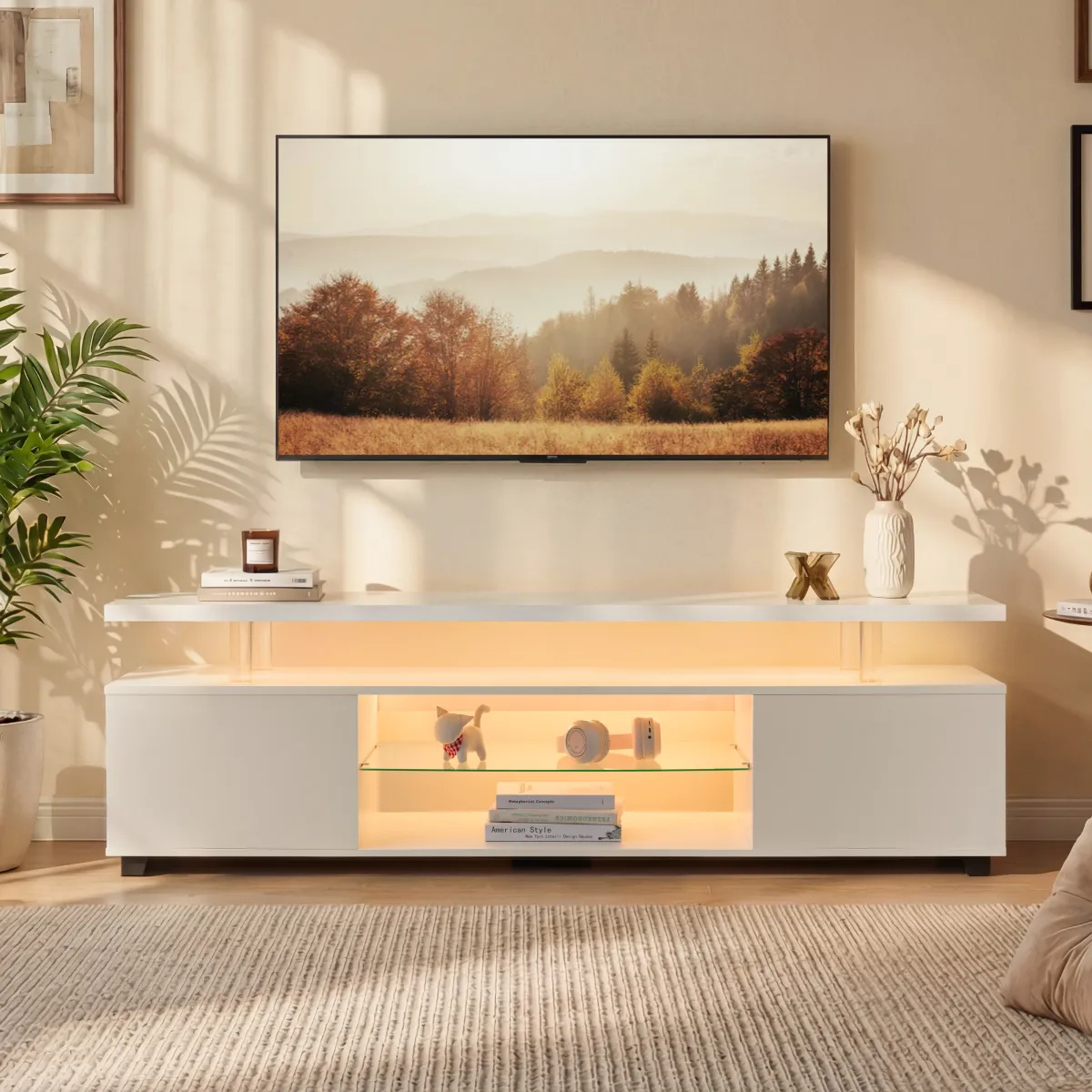
A media unit at knee height keeps the wall above it free, which is what makes a small room feel taller. Cable management is not a detail here — visible cables undo the calm a low unit creates. Keep the top surface almost empty: one object, not five.
The Three-Item Rule
- One thing to sit on. One thing to put things on. One thing to look at.
- If a fourth piece has no job, it is not a small-room piece.
- Re-test after every addition: can you still walk a straight line through the room?
A small room does not feel crowded because of its size. It feels crowded because nothing in it has room to breathe.